In this blog post we’re going to show you how to create your own heart-shaped bird feeders.
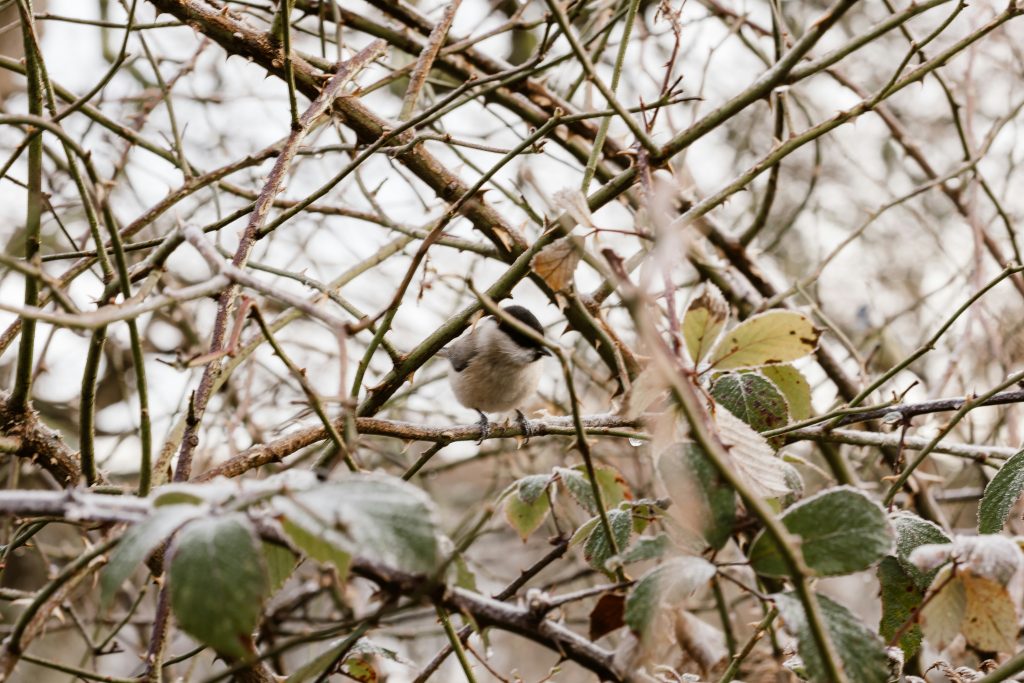
We love encouraging wildlife into our outside spaces, especially during the cold months when food may be scarce. While we actively encourage getting outside as much as possible (a winter walk is wonderful way to do this!), this craft can be done from the comfort of your own home.

By creating your own heart-shaped bird feeder, you’ll be giving the birds a helping hand this winter, which they will be grateful for!
The great thing about this activity is that it can be made time and again with various cupcake moulds depending on the time of the year. This month we’re focussing on hearts but you could use a bunny mould at Easter time or even stars over the festive period! Have fun mixing and matching different moulds with your child.
What you’ll need
To create your own heart-shaped bird feeder, you will need the following:
- Silicone heart-shaped cupcake moulds
- Lard or coconut oil (coconut oil is a plant-based alternative)
- Birdseed mix
- Twine or string for hanging
- Scissors
- Small saucepan and wooden spoon for mixing
- A jug

Method
Follow our instructions below to create the perfect DIY bird feeders. Make sure you supervise your child carefully with any heating and cutting.
- Cut enough pieces of twine around 6 inches long. For each piece, create a loop and tie the ends in a knot.
- Next, carefully melt lard or coconut oil in a small saucepan. You only need to heat it long enough until it has just melted. Pour it into your jug.
- Add the bird seed to the jug. A nice variety of different seeds will attract a range of birds. Give the lard/oil and seed mixture a stir until combined.
- Place your twine loops into the moulds, ensuring the knot is in the mould with the loop hanging out.
- Carefully pour the mixture into the moulds. Make sure the knot is submerged.
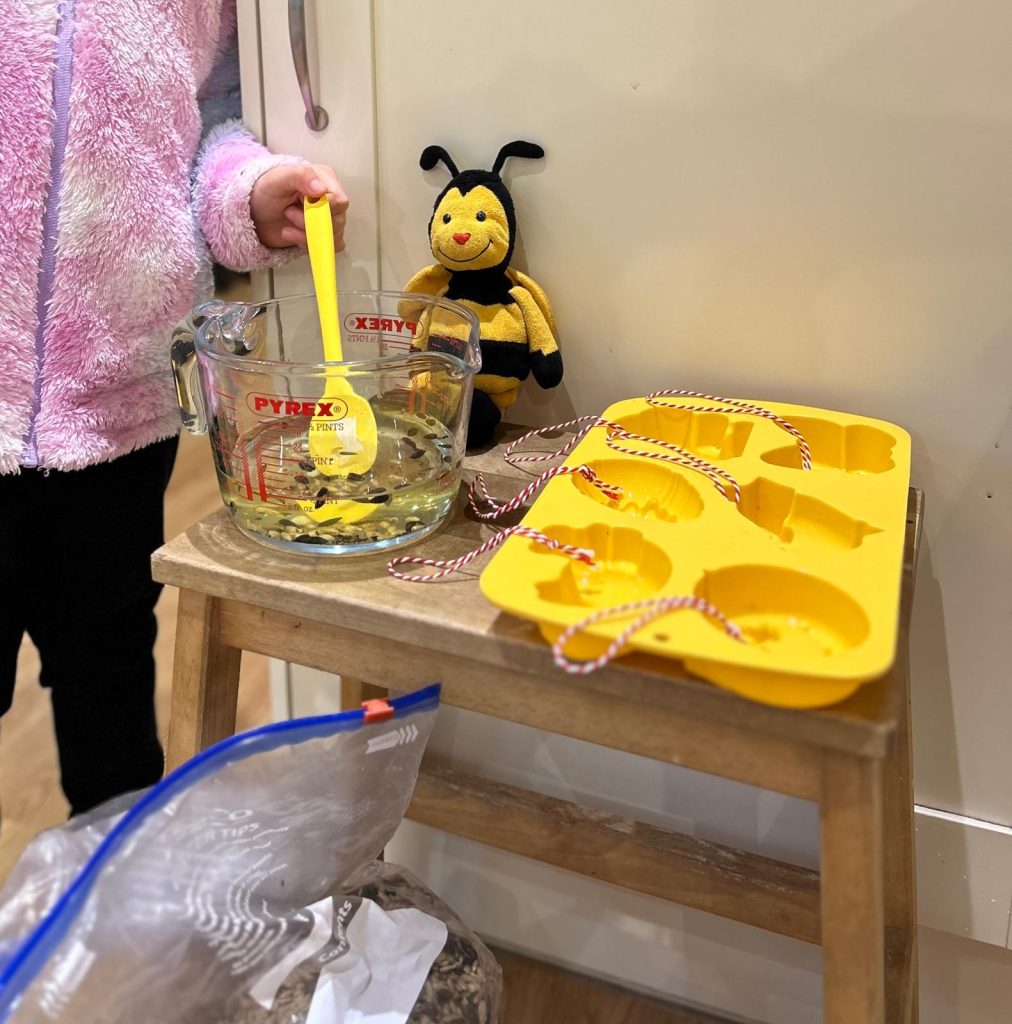
- Chill for 1-2 hours in the fridge or freezer.
- Once chilled, they’re ready to pop out of the moulds and hang up around your garden.
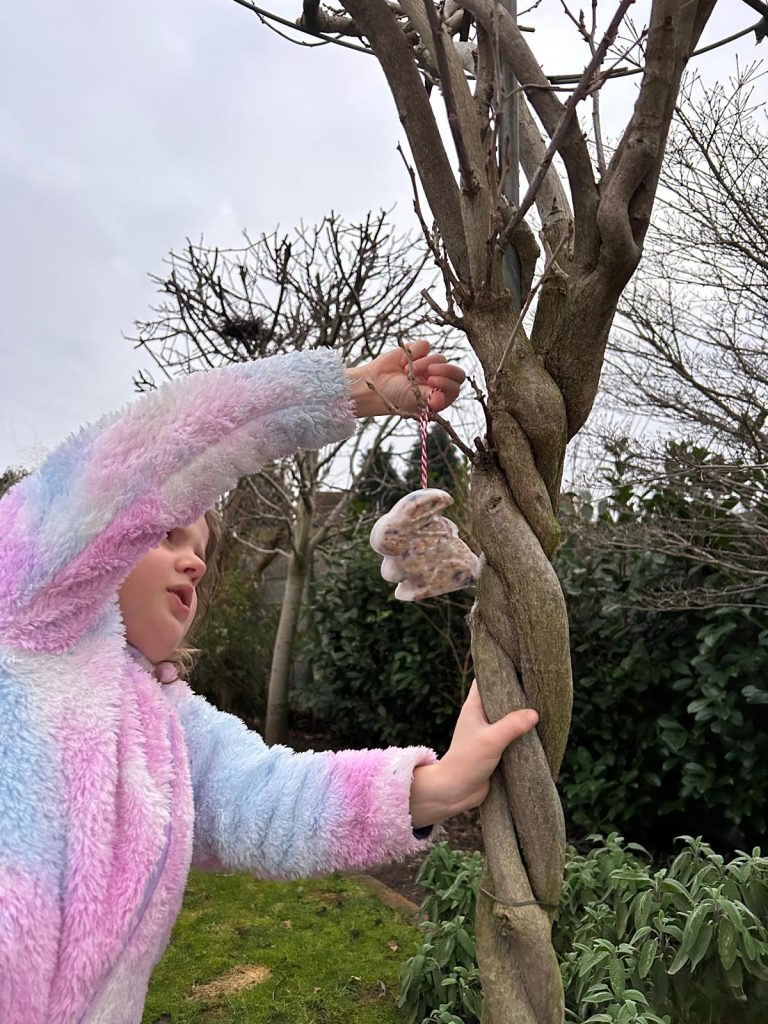
This craft is a wonderful way to get children interested in looking after wildlife in their own environment. It can help them to build confidence in the kitchen and is a fun way to spend time together, too!