The Power of Observation
At outdoor sessions, there is a moment we see again and again.
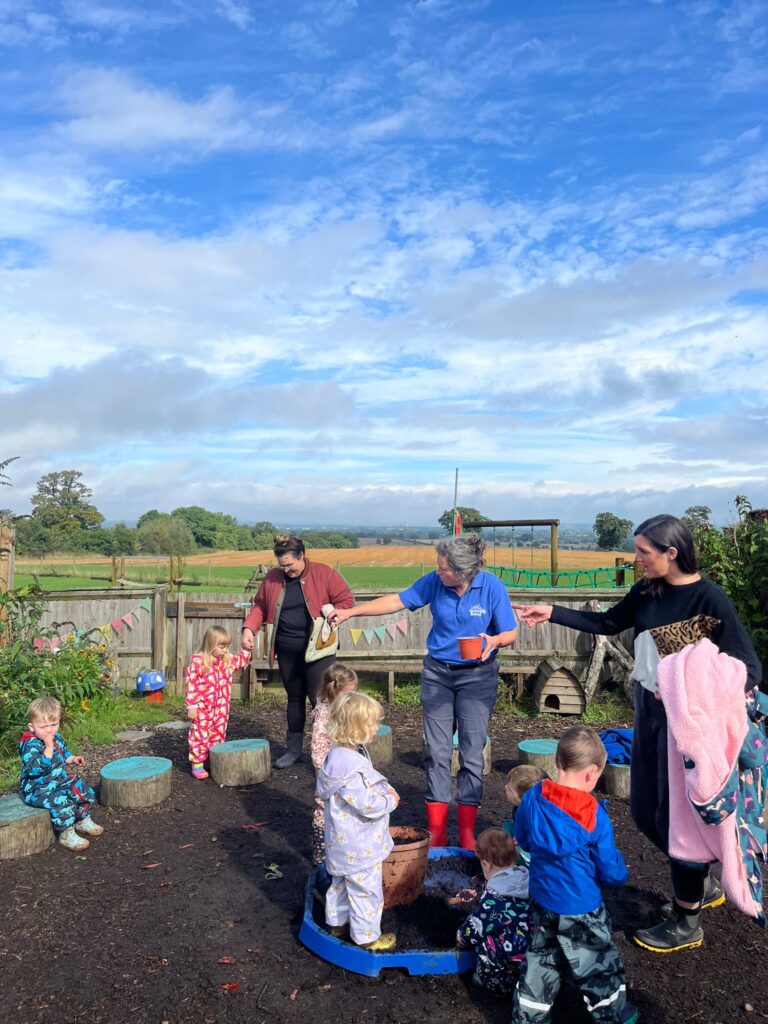
Children arrive, boots on, coats zipped. Some dash straight into the mud kitchen or head off to explore the garden. Others stay close. They might stand quietly by your side, holding your hand, watching everything unfold.
If your child is a watcher, this post is for you.
Because watching is not missing out. Watching is learning.
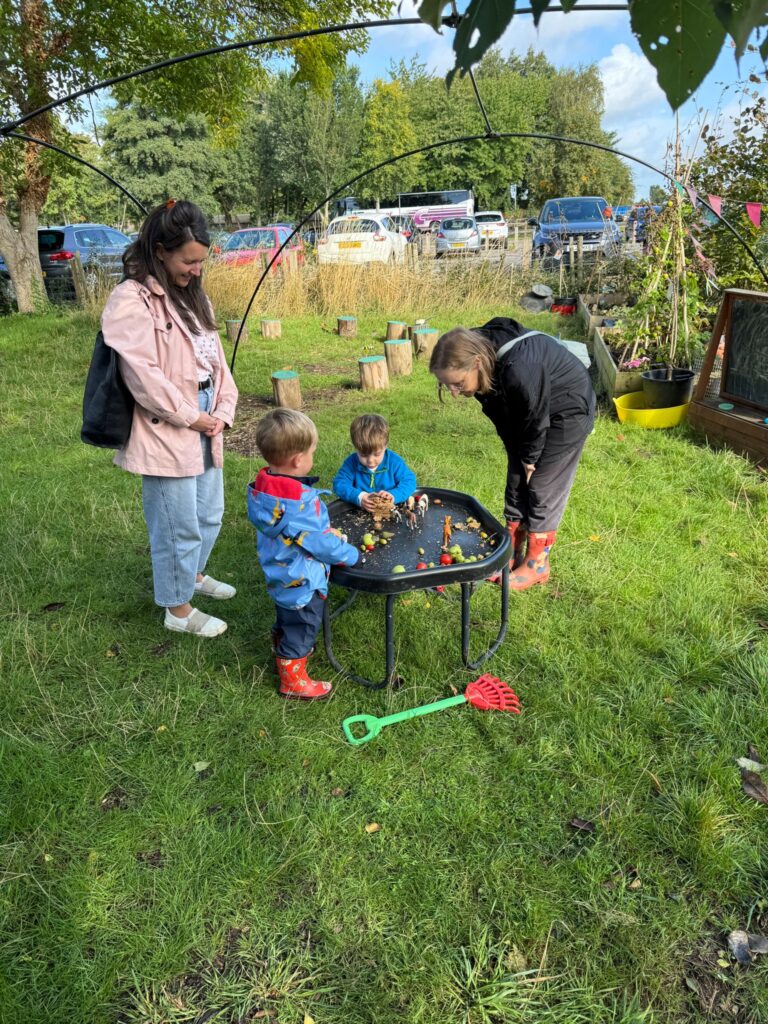
Little Hands, Big Discoveries, Even When They’re Still
In a world that often encourages children to be busy, confident and quick to join in, it can be easy to worry when your child hangs back. You might wonder if they are shy, unsure, or not enjoying themselves.
But for many young children, observation is their way in.
As they stand quietly, they are taking in so much.
The sounds of laughter drifting through the garden.
The feel of the breeze on their cheeks.
The way another child carefully pours water into a muddy bowl.
They are learning the rhythm of the space, the safety of the group, and what feels right for them.
Learning through play looks different for every child.
Observation Builds Confidence
When children are allowed the time to watch without pressure, something powerful happens. They begin to build confidence on their own terms.
By observing others, they learn what is possible.
They see how tools are used.
They notice how adults respond kindly and calmly.
They begin to understand the flow of the session.
And when they are ready, they step forward.
Sometimes that moment comes quickly. Sometimes it takes weeks. Both are completely OK.
Confidence grows best when it is not rushed.
Watching Is Part of Play
Play does not always look loud or messy. Sometimes it looks thoughtful.
A child watching from the edge is still playing. They are imagining themselves in the activity. They are deciding how it feels. They are learning social cues and boundaries.
This kind of quiet play is especially important for younger children and those new to group settings. Nature offers space for this gentle entry. There is no rush, no spotlight, and no expectation to perform.
Every season brings new adventures, and children join them in their own time.
How You Can Support a Watching Child
If your child prefers to observe, there are simple ways you can support them.
Stay close and calm. Your presence is their safe base.
Avoid encouraging them to “have a go” too often. Gentle invitations are enough.
Name what you see. “I can see you watching the water splash.”
Trust that they will join when they are ready.
Often, the most helpful thing you can do is simply to be still with them.
Muddy hands, happy hearts grow from feeling safe.
A Gentle Reminder for Parents
It is easy to compare. To notice the child climbing higher or splashing louder and wonder if your own child should be doing more.
But there is no “behind” in early years.
Some children leap in. Others tiptoe. Both paths lead to learning, connection and joy.
By honouring your child’s way of being, you are teaching them that they are trusted, valued and respected. That lesson lasts far longer than any activity.
Making memories that last a lifetime often starts quietly.
Let’s Get Outside and See What We Can Find
At Little Muddy Boots, we welcome every child exactly as they are. Watchers, wanderers, diggers and dreamers all belong here.
Our outdoor sessions are designed to give children the time and space they need to explore at their own pace, supported by caring adults and surrounded by nature.
Ready to get outside and make some muddy memories?
Book your Little Muddy Boots class today and join us for gentle, joyful adventures in nature.