In this blog post we are exploring what seed swapping is and why it’s great for the environment. Have you heard of seed swapping? If not, read on to find out exactly what it involves and how it benefits nature.
What is seed swapping?
Seed swapping is exactly what it says on the tin: swapping seeds you may have a surplus of for some that you really want. Seed swapping is a fantastic way to reduce waste and share resources, not to mention, tips, with fellow gardeners.
You can swap seeds through a seed swap library or even in person at nature swapping events. At these events, growers meet up in person to swap seeds, seedlings, plants and more.
No matter how you seed swap, it’s a brilliant way of finding the seeds you want for free and giving back to your local community at the same time.

What are the environmental benefits?
As well as being purse-friendly, seed swapping is great for the environment. Seed swapping is a great way to reduce the number of seeds being thrown away or passing their peak planting time. It not only benefits the gardeners involved, but the local wildlife, too.
Your neighbourhood pollinators will always thank you for any efforts you make to bring more flowers into your garden. Growing a wide range of plants in your outside space encourages biodiversity as different plants attract different animals and minibeasts; seed swapping is a great way to boost that range.
Seed swapping can actively encourage those in your community to get involved in growing their own food and flowers. It provides a more affordable way of accessing seeds and if more people locally are growing plants from seed, more wildlife will be attracted to your local area.
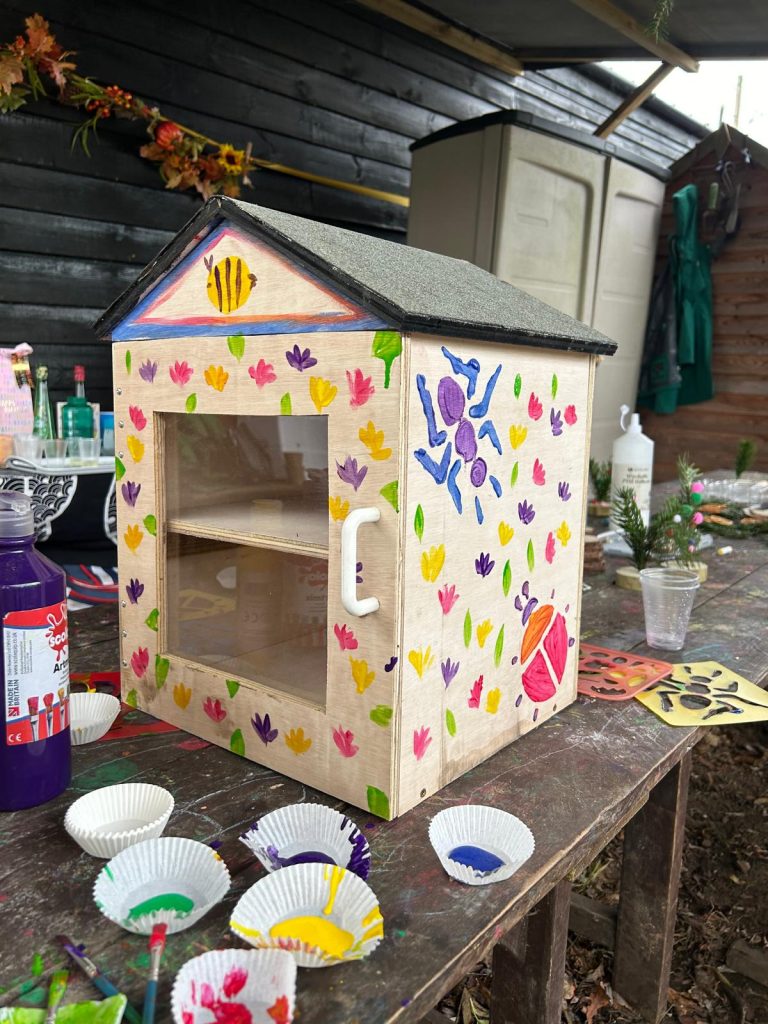
We’re proud to have opened our own seed swap libraries
To celebrate Little Muddy Boots turning 10 years old, we wanted to create something special. We invited 10 children to our Fernygrove Farm site in Bracknell to help us create some seed swap libraries.
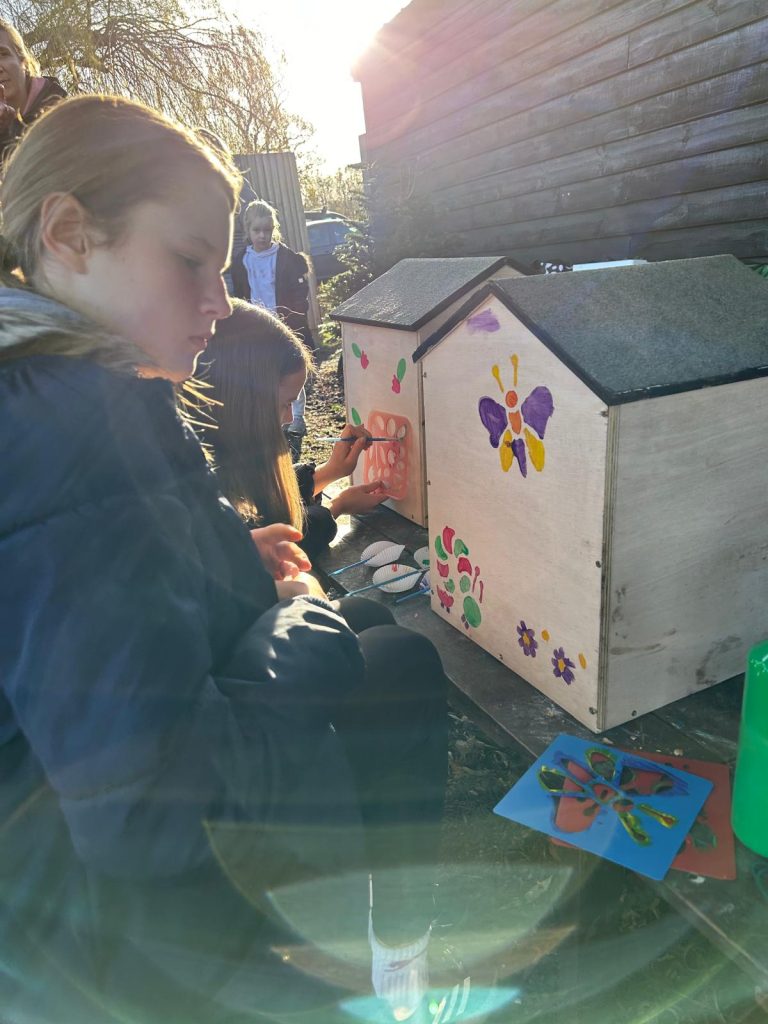
One of the seed swap libraries is now installed at our Little Muddy Boots Bracknell garden based at Fernygrove Farm. This has been made accessible for anyone in the local community to use to help them grow their own garden.
Our hope is to encourage as many families as possible to pick up some seeds and start growing, no matter how little or wide their gardening knowledge may be.

Hannah Brewer, Founder of Little Muddy Boots said, ‘We love that our core mission at Little Muddy Boots to get more children outside in nature regularly also gives children the opportunity to reap the positive mental wellbeing that comes from gardening. We are grateful to Berkeley Group for joining us again in this mission. We hope that the seed swap libraries enable families to start their own gardening journey with simply the gift of sharing seeds.’
How you can get involved
Why not have a go at creating your own seed swap library? Consider partnering with a local gardeners’ club or perhaps speak to your local council about installing one at a park near you.