Is there anything more wonderful than whiling the day away in a garden blooming with colour and brimming with life? Nature is therapeutic in so many ways. It can help us to slow down in our busy, fast-paced lives. Gardening itself requires patience but when spending time in nature we tend to take stock of our surroundings, relax, breathe deeper and enjoy our environment. Sometimes we even, quite literally, stop to smell the roses (or blossom or herbs!).
We know gardening offers valuable benefits no matter your age, such as exposure to vitamin D, increasing our feeling of personal wellbeing and keeping us fit and healthy, too. In fact, intergenerational gardening itself can be a wonderful way to reduce isolation, boost social connections and improve mood.
We wanted to take a look at colour specifically to understand the impact it can have in an outside space across different generations.

What role can colour play in the garden?
Colour can play a vital role in our outside space. Just as we would consider different colours for various spaces in our home depending on the feeling we want to create, the same thinking can be applied to our gardens.
Learning about the colours of different flowers can help develop our personal skill set. Increasing our knowledge by understanding which plants bloom certain colours is a great start when it comes to planning an outside space. And if we’re learning the colours of flowers, we may well be learning about their height, shade, soil and thirst preferences, too. All great things to know to help us on our way to being green-fingered marvels!
Does colour in the garden affect generations in different ways?
Colour can have a wide range of impacts across generations. Colour is very personal and can affect us all differently but there are some points to consider when planning colour in the garden specific to a particular generation.
Young children
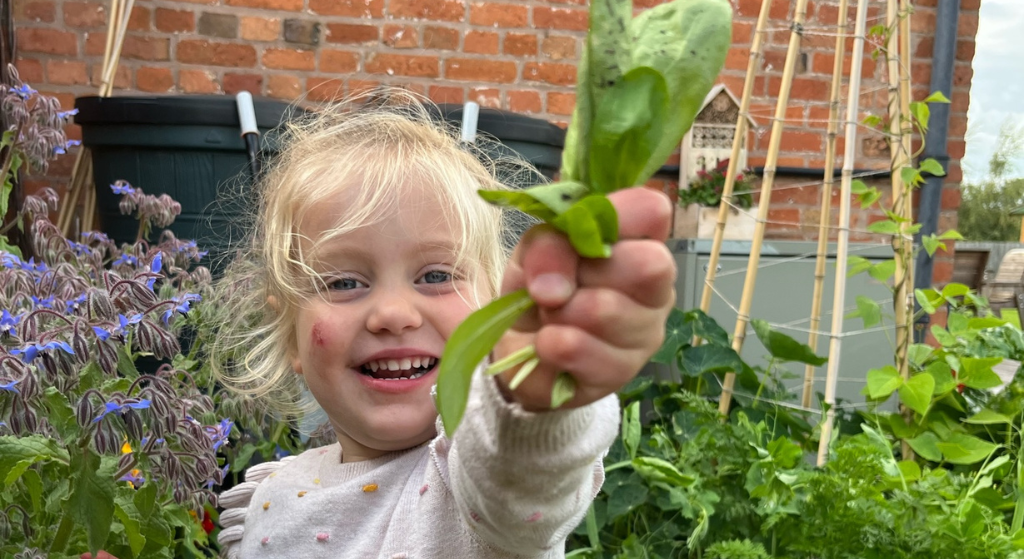
Colours in the garden can be a great way to aid cognitive and emotional development in infants and young children. Babies in particular can find being outside very calming.
From birth to three months, infants can only really see high-contract tones such as black, white and grey. High-contrast plants may be worth seeking out during this time as this is what babies will find most interesting. But as babies grow, their colour range develops and by six months they tend to be able to see the full colour spectrum.
Bright colours are visually stimulating and attention-grabbing. Exposing babies and toddlers to bright colours in the garden can aid their visual development. It could also help to promote language by providing a wonderful opportunity to talk about what you can see with your little one.
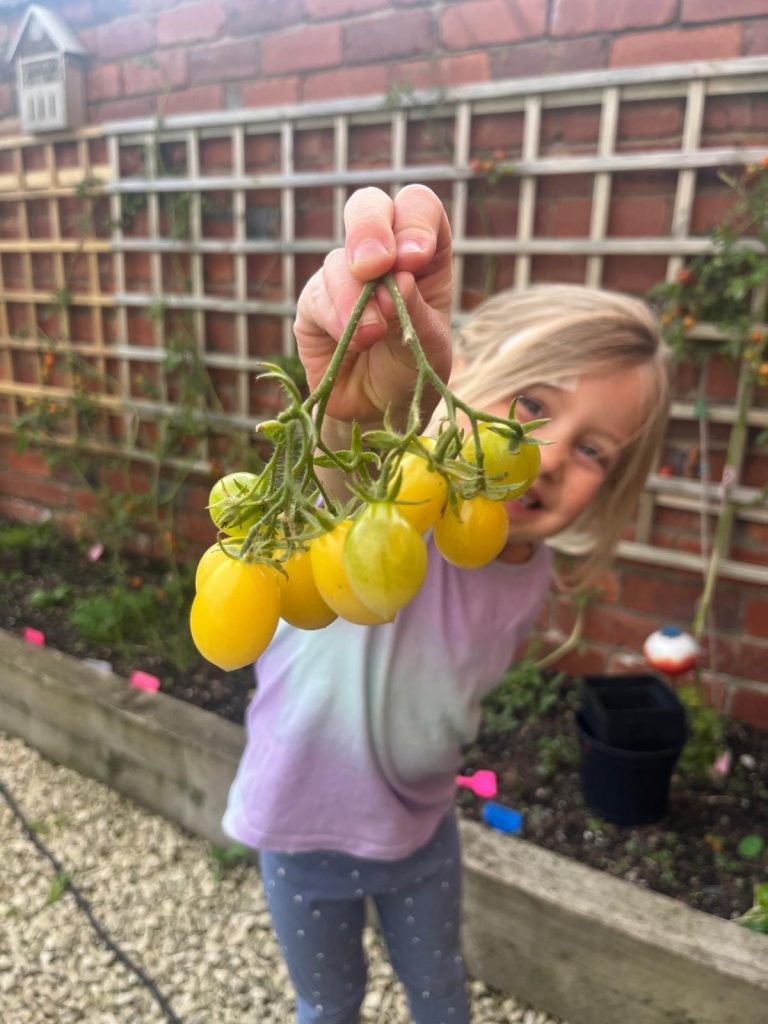
Plant the rainbow and enjoy exploring all the different colours together. Discover summery red poppies, orange nasturtiums, yellow alstroemeria, green rosemary, blue hydrangeas and purple verbena.
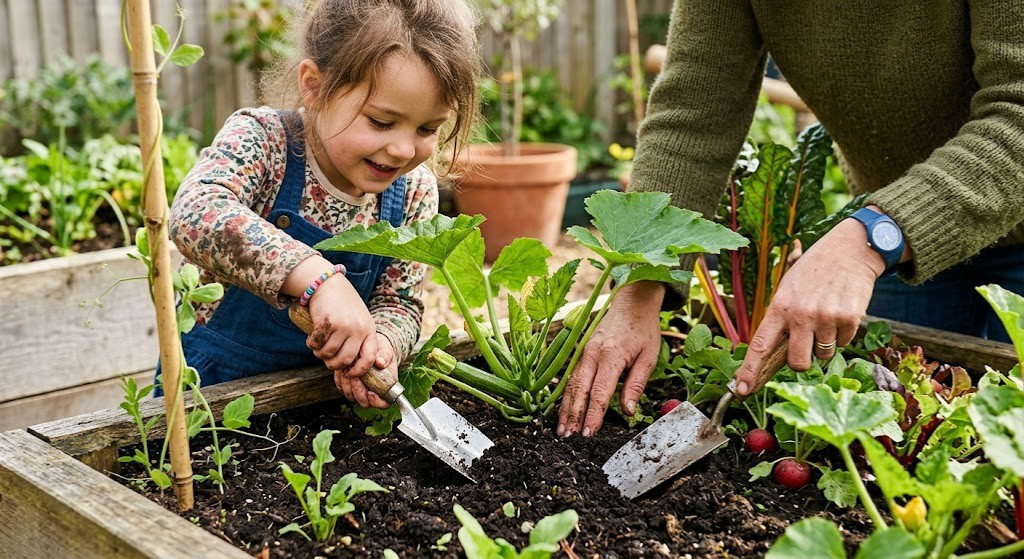
The benefit of planting a range of colours of in the garden is that you’ll have the added bonus of a variety of scents and textures. Compare the bumpiness of lavender heads with the softness of sage leaves, for example. Give both a rub between your fingers and describe the scents along with the hues you can see. Your little one will love spending time with you outside exploring together.

Teenagers and young adults
Teenagers and young adults are at higher risk of mood disorders compared to other age ranges. In 2022, The Office for National Statistics recorded that adults aged 16 to 29 years were the most likely age range to experience some form of depression.
We know that it is increasingly documented that time in nature can help restore and promote good mental health. Colour has an important role to play here.
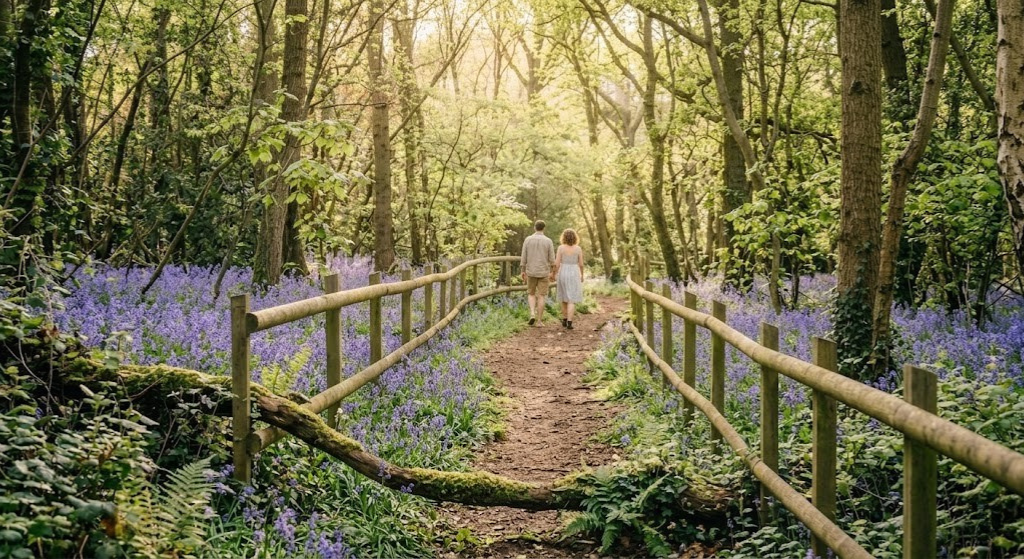
Research has revealed there are some ‘universal truths’ when it comes to selecting colours for mood boosting purposes. A study published in the journal Urban Forestry & Urban Greening found that flowers in white and blue (and to a lesser extent, purple) can play an effective role in relaxation. The research also revealed that flowers in white and warm colours such as orange, yellow and red can induce uplifted emotions and deliver better positive effect.
Therefore, it’s worth rememebering as a rule of thumb that white is able to span the boundary between relaxing and uplifting, while cooler colours promote calm and warm tones can elevate mood.
When designing an outdoor space with the intention of promoting good mental health, be it for yourself, for children or for a loved one, we think these points about colour are great to keep in mind.
Those diagnosed with dementia
When planning a garden for those suffering with degenerative cognitive conditions, also known as dementia, it was traditionally thought that bright, varied colours would be best for the most positive impact. It is now known that dementia doesn’t work like this.
Alzheimer’s Society states that when designing a garden for a person living with dementia, it is important to focus on contrast, not colour. Bright pink and bright yellow have the same tonal range, therefore when put together they would not be as impactful as two contrasting colours.
To get an idea of what would work, step into your own garden (or you could visit a garden centre) and turn your camera on to black and white mode; see what stands out. Flowers and plants that are high-contrast when put together will have the most positive impact on those suffering with dementia.
What colours do you like to see in the garden? We hope this blog has inspired you to go out there and get learning about what plants bloom your favourite colours. Have fun creating zones in your outside space that express your personality and help you achieve a desired impact.

Do you love gardening with your little one? Why not join a Little Muddy Boots class and learn more great tips together.